

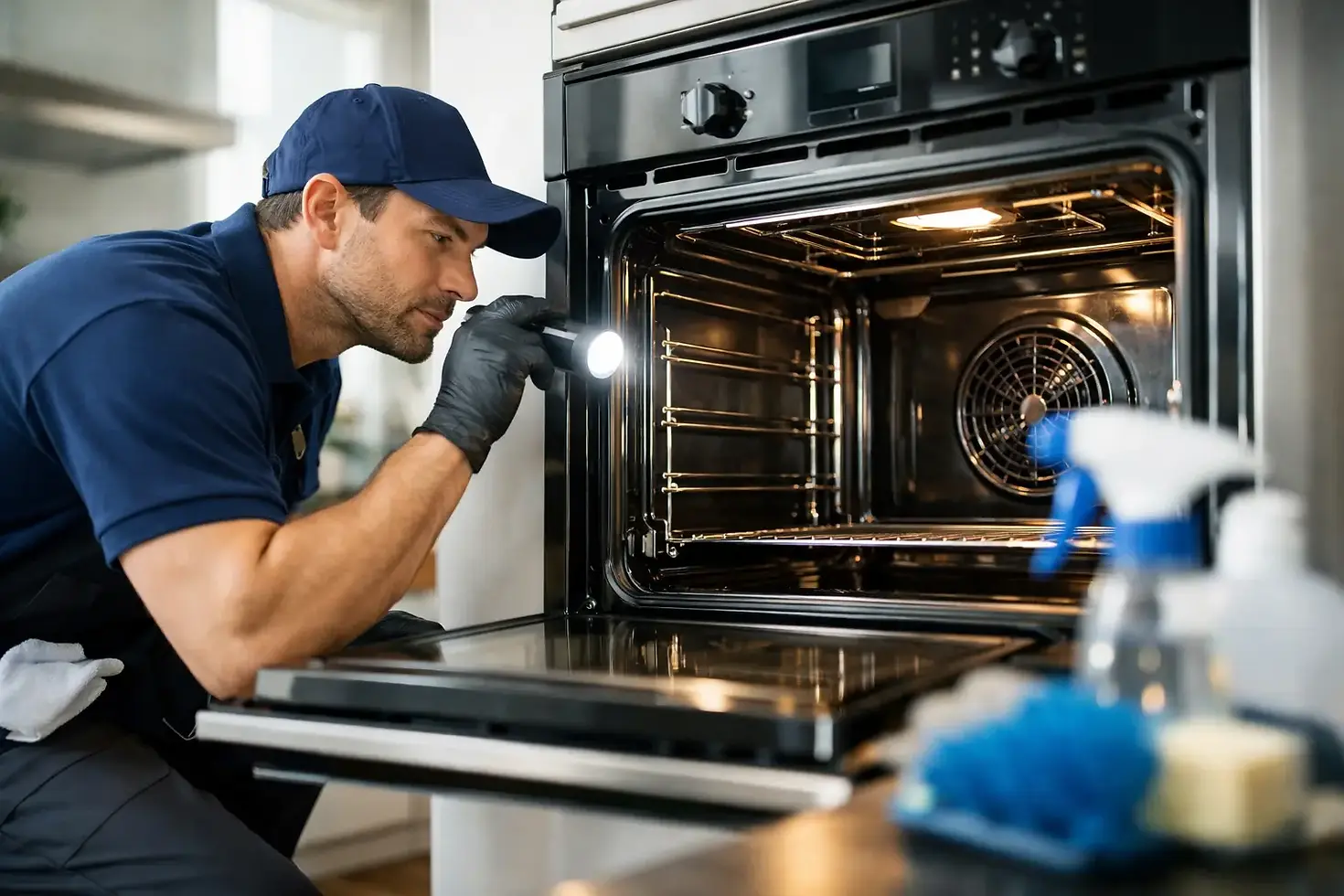
Is a Professional Oven Cleaning Review Worth It?

A professional oven cleaning review should answer one practical question: will the service remove the baked-on mess that regular kitchen cleaning cannot? For busy Riverside households, the answer is often yes, especially when grease, smoke residue, spills, and burnt food have built up over months. A trained cleaner can save time, improve the appearance of the appliance, and make the oven more pleasant to use.
The value depends on the oven’s condition, the type of cleaning included, and whether the company is clear about its process. Here is what to look for before adding professional oven cleaning to a deep clean, move-out appointment, or recurring home cleaning visit.
What a Professional Oven Cleaning Review Should Cover
Not all oven cleaning services deliver the same result. A useful review is not just about whether the oven looked better afterward. It should explain what was cleaned, what required extra attention, and whether the cleaner set realistic expectations for stains that may be permanent.
A thorough oven cleaning commonly focuses on the interior walls, oven floor, door glass, racks, rack guides, and the inside edge of the door. The cleaner should remove loose debris first, apply an appropriate degreaser or environmentally friendly product when requested, allow it time to work, then scrub and wipe away residue. The outside controls and handle may also be cleaned as part of the kitchen service.
The biggest difference between a quick wipe-down and a professional-level clean is detail. Grease tends to collect around door seals, corners, vents, rack rails, and the lower oven area. These spots are easy to miss when you are cleaning between dinner, work, school pickup, and everything else on the schedule.
A good service provider should also be upfront about limits. Old heat marks on glass, corrosion, chipped enamel, and damage caused by harsh past cleaners may not disappear completely. A cleaner can remove soil and residue, but they should not promise to restore a damaged oven to brand-new condition.
When Professional Oven Cleaning Is Worth Booking
Oven cleaning is most worthwhile when the buildup is beyond what you can safely handle with a standard kitchen cleaner. If your oven produces smoke during preheating, has a strong burnt-food odor, or leaves visible residue on racks and the door, a detailed cleaning can make a noticeable difference.
It is also a practical add-on before a move. Renters preparing for a move-out inspection often overlook the oven until the final day, when the rest of the home still needs attention. Homeowners listing a property can benefit as well. A clean oven supports the overall impression of a cared-for kitchen, even if buyers are not opening every appliance door during a showing.
Families who cook often may want an oven cleaning scheduled with a deep cleaning service once or twice a year. The right frequency depends on how much you bake, roast, broil, and use oils or sauces that splatter. A household that cooks most nights will need more attention than one that relies mainly on stovetop meals, takeout, or small countertop appliances.
For many customers, the real benefit is time. Cleaning an oven properly can take several hours when you include cooling time, product dwell time, repeated scrubbing, and cleanup. Booking the work lets you spend that time on your family, your move, or the rest of your weekend.
What Results Should You Expect?
A professional cleaner should leave the oven visibly cleaner, with reduced grease, loose carbon, food residue, and grime on reachable interior surfaces. The glass should be clearer when buildup is removable, and the racks should feel less sticky or coated.
You should not expect a rushed service to solve years of buildup in a few minutes. Heavy grease sometimes requires more than one treatment, and some ovens need additional labor because the racks, glass, or interior surfaces are especially soiled. This is why clear service descriptions matter. Customers should know whether oven cleaning is included in the base appointment or priced as an add-on.
The cleaner should also protect the surrounding kitchen area. Floors, cabinet fronts, and nearby counters can collect drips or debris during the job. A careful process includes containing the mess, wiping the work area, and leaving the kitchen ready for normal use once the oven is dry and any product instructions have been followed.
The Trade-Offs: DIY Cleaning vs. Hiring a Pro
Do-it-yourself oven cleaning can work for light spills and regular maintenance. It costs less upfront, and some people prefer to clean a small area as soon as they see a mess. A paste made for gentle cleaning, a non-abrasive scrubber, and routine wiping after the oven cools can help prevent heavy buildup.
The downside is that DIY work can be physically demanding and easy to postpone. Strong chemical cleaners may create unpleasant fumes, and abrasive tools can scratch glass or damage interior finishes. Self-cleaning cycles can also create intense heat and odors, particularly when there is significant grease inside the oven. Always follow the appliance manufacturer’s guidance before using that feature.
Hiring a professional costs more than doing it yourself, but it can be the better choice when the job has been delayed too long, you are short on time, or you need dependable results before a move or event. It also gives you a clearer standard of clean than asking a friend or informal provider to handle a difficult appliance task without a defined process.
Questions to Ask Before You Book
Before scheduling, ask how the company handles oven cleaning and whether it is an add-on service. Confirm what parts of the oven are included, whether racks and interior glass are addressed, and whether environmentally friendly cleaning options are available.
It is also smart to ask about heavy buildup. Describe the condition honestly, especially if there is thick grease, baked-on spills, smoke residue, or an oven that has not been cleaned in a long time. Photos can help the company estimate the work and avoid surprises on appointment day.
Finally, ask what happens if you are not satisfied with the result. A dependable residential cleaning company should communicate clearly, arrive within the agreed service window, and provide a straightforward way to raise concerns. Motherhood Cleaning Services offers oven cleaning as an add-on so Riverside customers can combine this detail work with a deep cleaning, move-in, move-out, or regular home cleaning appointment.
How to Keep the Oven Cleaner Between Appointments
The easiest oven cleaning job is the one that never becomes a major project. Once the oven has been professionally cleaned, wipe fresh spills after the appliance is fully cool. Cover dishes that tend to bubble over, use a baking sheet under casseroles or pies when appropriate, and remove crumbs before they burn onto the oven floor.
Avoid lining the oven bottom with foil unless your manufacturer specifically permits it. Foil can block heat flow, trap residue, and potentially damage some oven surfaces. Instead, use cookware that fits properly and clean small spills before they harden through repeated heating.
If you notice recurring smoke, electrical odors, poor heating, or a damaged door seal, cleaning may not be the answer. Those concerns can point to an appliance repair issue and should be checked by a qualified technician.
A clean oven does more than improve how the kitchen looks. It removes one more stressful chore from the list and gives you a fresher place to cook the meals that keep your household moving.



Comments