

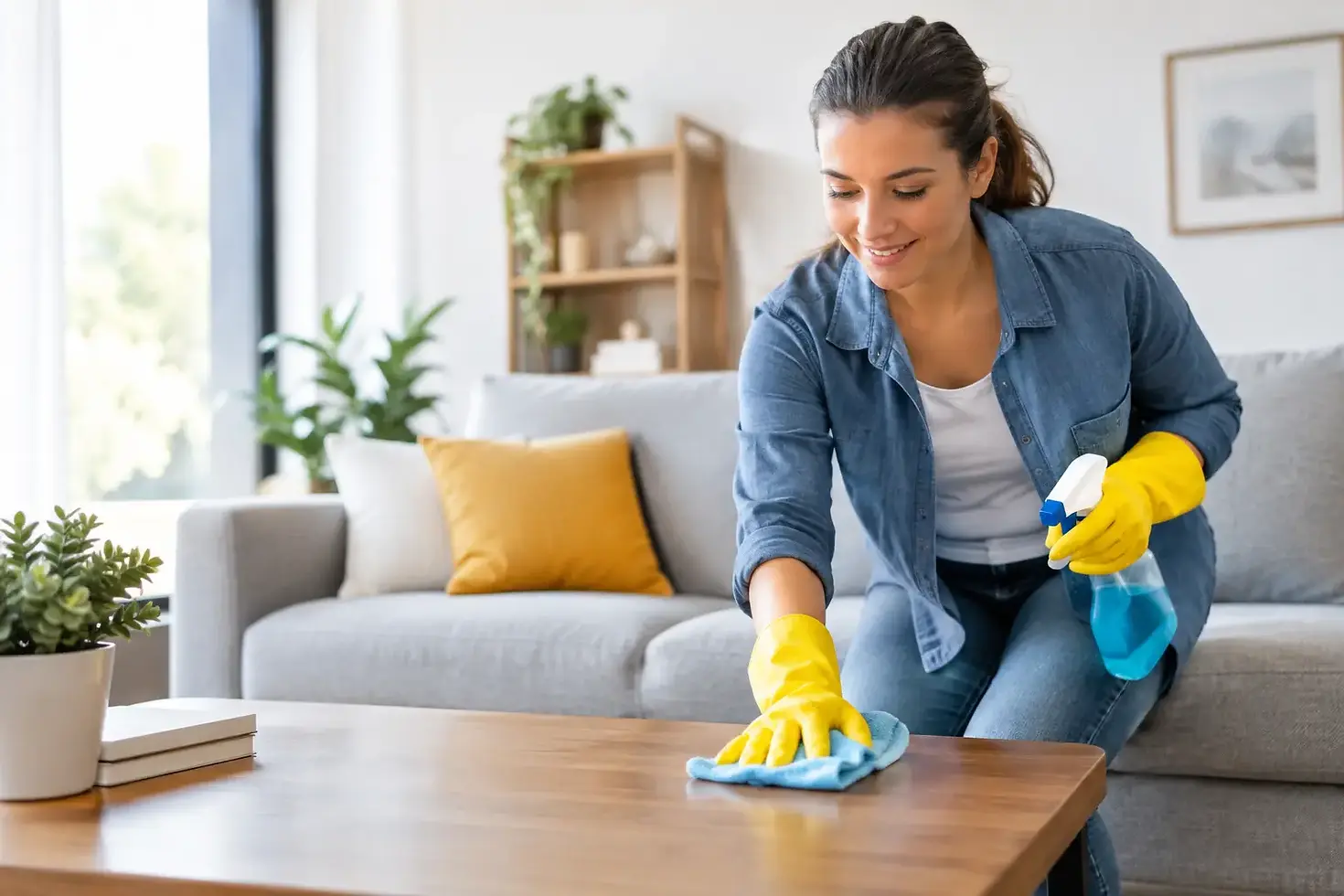
How to Keep a House Sanitized Every Week

The kitchen counter looks clean, the floors have been vacuumed, and the bathroom smells fresh. But surfaces that look tidy are not always sanitized. For busy Riverside households, knowing how to keep a house sanitized means focusing on the places hands, food, pets, and daily routines leave behind - without turning every evening into a cleaning project.
A practical sanitation plan starts with regular cleaning, then adds targeted disinfecting where it makes the biggest difference. You do not need to sanitize every wall, pillow, or piece of furniture every day. You need a routine that reduces germs on high-touch surfaces and is realistic enough to maintain.
Cleaning and Sanitizing Are Not the Same
Cleaning removes visible dirt, crumbs, grease, dust, and pet hair. Sanitizing reduces germs on a surface to a safer level. Disinfecting goes further by killing specific germs when the product is used correctly.
The order matters. A disinfectant or sanitizer cannot work well through grease or grime. Wipe or wash a dirty surface first, then apply the sanitizing product according to its label. Many products need to remain visibly wet for a set contact time before you wipe them dry. Spraying and immediately wiping may leave the surface clean-looking without giving the product time to work.
For most homes, routine cleaning plus sanitizing high-touch areas is enough. If someone in the household is sick, you have a baby who crawls, or you are caring for an older adult with a weakened immune system, increase attention to shared surfaces and bathroom fixtures.
How to Keep House Sanitized Without Cleaning All Day
The easiest approach is to divide tasks by how often they truly need attention. A quick daily reset prevents buildup. A weekly cleaning handles bathrooms, kitchen surfaces, and frequently used rooms. Deeper details can be scheduled monthly or when needed.
Start with daily high-touch surfaces
Spend five to 10 minutes on the surfaces that get handled repeatedly. These are the most practical places to sanitize because they can transfer germs from one person to another.
Kitchen counters, table surfaces, and refrigerator handles
Bathroom sink handles, toilet flush levers, and light switches
Door knobs, cabinet pulls, and frequently used remotes
Phones, keyboards, and shared work surfaces
Pet feeding areas and the floor around them
Use a clean microfiber cloth or disposable paper towel. If you reuse a cloth on several rooms without washing it, you can move germs and grease from one surface to another. Keep separate cloths for the kitchen and bathrooms when possible.
Keep the kitchen on a short schedule
The kitchen needs the most consistent attention because it combines raw food, hands, dishes, and shared surfaces. Wipe counters after food preparation, especially after handling raw meat, eggs, or unwashed produce. Clean and sanitize the sink regularly, since food residue can collect around the drain and faucet base.
Replace dishcloths and sponges often. A damp sponge left near the sink can hold odors and bacteria, even when the counter around it appears spotless. Wash reusable cloths in hot water and dry them completely. If a sponge smells sour or has started to break down, replace it.
Do not forget cabinet handles, appliance buttons, microwave handles, and the outside of trash cans. These details are easy to miss during a fast cleanup but are touched throughout the day.
Give bathrooms a weekly sanitation reset
Bathrooms benefit from one thorough weekly appointment rather than occasional rushed wipe-downs. Clean soap residue and hair from sinks, tubs, showers, and floors first. Then sanitize the high-contact fixtures: faucet handles, toilet handles, light switches, door knobs, and the toilet seat.
Use separate tools for the toilet area. A cloth or brush used on the toilet should never be used on the sink, counter, or shower. Wash bath mats and hand towels regularly, particularly in homes with children, guests, or multiple people sharing one bathroom.
Shower curtains, grout, and exhaust fans do not require daily sanitizing, but they should not be ignored. Good ventilation after showers helps reduce lingering moisture, which is often the real issue behind mildew and bathroom odors.
Choose Products Based on the Surface and Situation
More product does not always mean better results. Choose a product labeled for the surface you are treating and follow its directions for dilution, contact time, and ventilation. This protects your finishes and avoids wasting supplies.
Environmentally friendly cleaning options can be a good fit for routine household cleaning, especially for families with pets or sensitivities to strong fragrances. However, not every all-purpose cleaner is designed to sanitize or disinfect. Check the label instead of assuming a natural-looking product provides the same germ control as a registered sanitizer.
Never mix cleaning chemicals. Bleach combined with ammonia, acids, or some bathroom cleaners can create dangerous fumes. Open windows or run an exhaust fan when using stronger products, wear gloves when needed, and store supplies where children and pets cannot reach them.
For electronics, use products made for screens and follow the device manufacturer's care instructions. Avoid soaking remotes, keyboards, switches, or outlets. A lightly dampened cloth is usually safer than spraying directly onto the item.
Do Not Skip Soft Surfaces and Air Flow
Hard surfaces get most of the attention, but soft surfaces affect how fresh and clean a home feels. Vacuum rugs, upholstered furniture, and pet areas regularly to remove dust, dander, crumbs, and hair. Wash bedding weekly, and wash pet bedding often enough to control odor and shedding.
Sanitizing sprays may be suitable for some fabrics, but check the care label first and test an inconspicuous area. Deep cleaning upholstery too often can leave fabrics damp or damage delicate materials, so the right frequency depends on pets, allergies, young children, and daily use.
Fresh air also helps. When weather and air quality allow, open windows for a short period while cleaning. In bathrooms and kitchens, use exhaust fans to move out moisture and cooking odors. A sanitized home should not rely on heavy fragrance to feel clean.
Make Your Routine Easier to Maintain
A sanitation routine fails when it requires too much time, too many supplies, or too much decision-making at the end of a long day. Keep a small set of supplies in the kitchen and each bathroom so you are not searching through closets when a spill happens.
Set a simple weekly cleaning day, or split tasks across the week. For example, handle bathrooms one day, floors another day, and kitchen appliances on the weekend. If your schedule changes often, focus on the daily high-touch reset and book deeper work when the home needs more than a quick maintenance clean.
Move-in and move-out periods are another time to be more thorough. Empty cabinets, appliance interiors, blinds, ceiling fans, baseboards, and overlooked corners can hold old grease, dust, and residue. A detailed cleaning before unpacking gives you a cleaner starting point, especially in a rental or newly purchased home.
When Professional Help Makes Sense
There is no prize for doing every cleaning task yourself. Professional cleaning can be especially helpful when work, parenting, pets, illness, or a move has pushed routine care aside. A recurring service keeps bathrooms, kitchens, floors, and high-use areas from reaching the point where every cleanup becomes a major project.
For homes that need extra attention, consider a deep clean with add-ons for the oven, cabinets, blinds, shutters, ceiling fans, or pet-hair cleanup. Motherhood Cleaning Services can help Riverside households build a cleaning schedule around their home size, needs, and availability.
A sanitized home is not a perfectly sterile home. It is a home where the surfaces that matter are cleaned regularly, moisture is controlled, and small messes are handled before they become stressful. Start with the sink, the counters, the bathroom touchpoints, and the door handles this week. That consistent effort is what keeps a home healthier and easier to enjoy.



Comments