

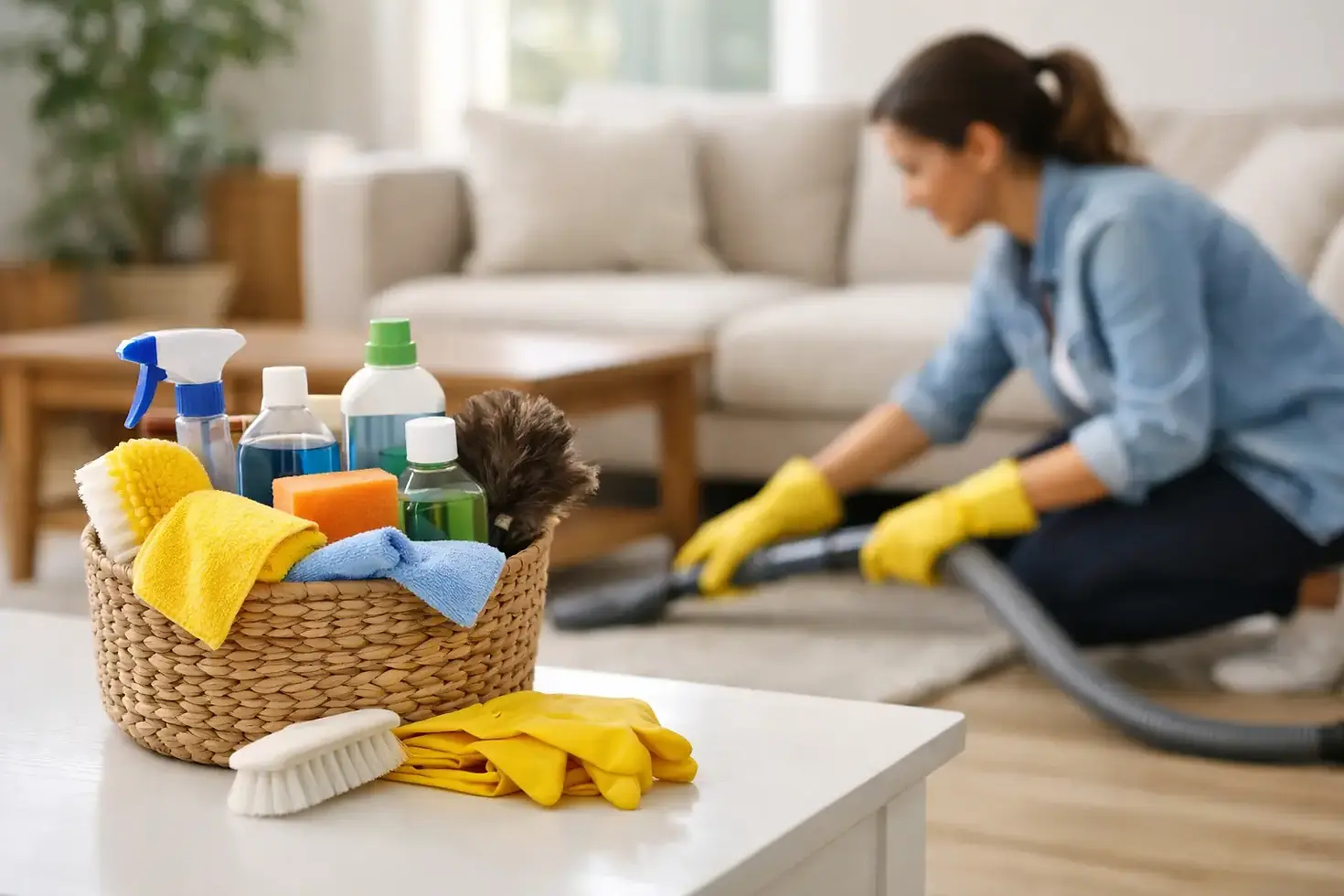
Deep Cleaning Guide for Busy Homes

When your home looks mostly fine but still feels dusty, sticky, or harder to manage, regular tidying usually is not the problem. What you need is a deep cleaning guide that helps you get past surface mess and deal with the buildup hiding in corners, baseboards, vents, cabinets, and high-touch areas.
For busy households in Riverside, that usually means balancing real life with realistic expectations. Kids track things in, pets leave hair everywhere, kitchen grease builds slowly, and bathrooms start looking clean long before they are actually cleaned in detail. Deep cleaning is less about perfection and more about resetting your home so it feels healthier, easier to maintain, and less stressful day to day.
What a deep cleaning guide should actually help you do
A useful deep cleaning guide should not just give you a giant list and leave you overwhelmed. It should help you decide what matters first, how to work through the home efficiently, and when the job is large enough that outside help makes more sense.
Deep cleaning goes beyond recurring maintenance. It focuses on places that are easy to skip during a standard weekly clean, like behind furniture, around baseboards, inside appliances, cabinet fronts, door frames, blinds, ceiling fans, and buildup in bathrooms and kitchens. These details make a big difference in how clean a home feels.
That said, not every home needs the same level of work. A one-bedroom apartment with no pets is different from a family home with heavy kitchen use and high traffic. If you are preparing for guests, catching up after a busy season, or getting ready to move, your priorities may shift. The goal is not to clean everything equally. The goal is to clean what will give you the biggest improvement.
Start with the rooms that affect daily life most
If you try to deep clean your entire home in one pass without a plan, it usually stalls out halfway through. Start with the rooms that collect the most grime and affect your routine the most. In most homes, that means the kitchen and bathrooms first.
The kitchen often needs more than wiping counters. Grease settles on cabinet fronts, crumbs collect in corners, appliance surfaces hold fingerprints and residue, and areas around the stove develop buildup that does not come off with a quick spray and wipe. Deep cleaning here should include the fronts of cabinets and drawers, backsplash areas, the outside of major appliances, and often the inside of the microwave and oven if they have been neglected.
Bathrooms need similar attention to buildup. Soap scum, hard water marks, dust on vents, grime around the base of the toilet, and residue near faucets can all linger even when the room appears neat. A proper reset includes detailed work on sinks, fixtures, tile, tubs or showers, mirrors, floors, and the small edges where dirt gathers.
After those rooms, move to bedrooms and living areas. These spaces may not look as dirty, but they collect dust on blinds, window sills, ceiling fans, baseboards, and under furniture. Upholstered furniture and corners can also hold pet hair and fine debris that regular vacuuming misses.
A room-by-room deep cleaning guide that stays realistic
The best approach is to work from top to bottom in each room. Dust and debris fall as you clean, so ceiling fans, vents, shelves, and blinds should come before floors.
In living rooms and common areas, start by removing loose items that do not belong. Then dust high surfaces, fan blades, blinds, frames, shelves, and baseboards. Wipe tables, electronics surfaces, light switches, and door handles. Vacuum upholstery if needed, especially if pets are part of the household. Finish by vacuuming and mopping floors, including edges and under furniture where possible.
In bedrooms, the process is similar, but pay extra attention to surfaces people touch every day. Bed frames, nightstands, lamps, window sills, and closet edges are common dust traps. If the room has not been cleaned in detail for a while, moving lightweight furniture to vacuum behind it can make the room feel noticeably fresher.
For kitchens, clear counters first so you can clean thoroughly instead of around items. Wipe cabinet exteriors, disinfect high-touch points, clean the sink and faucet well, and remove visible buildup near the stovetop. If your home needs a stronger reset, cleaning inside the oven and wiping inside cabinets can be worth the time. These are often the tasks people postpone the longest, which is exactly why they matter during a deep clean.
In bathrooms, use enough time on detail work instead of rushing through visible surfaces. Clean around faucet bases, along shower edges, behind the toilet, and around floor corners. These spots often hold the grime that makes a bathroom feel less sanitary even after a normal wipe-down.
Don’t overlook the hidden problem areas
Some of the most noticeable results come from areas people usually skip. Blinds are one example. They gather dust fast, especially in sunny rooms, and that dust can spread through the room every time windows open or air moves through the house. Ceiling fans do the same thing.
Baseboards are another small detail with a big visual impact. When they are dusty or marked up, the whole home can feel neglected. The same goes for door frames, window sills, and switch plates. None of these are dramatic on their own, but together they affect how clean a room feels.
Homes with pets need extra attention in places where hair drifts and collects. That often means under beds, along furniture edges, on fabric surfaces, and near baseboards. Pet owners also tend to notice odors sooner when these areas are skipped. Deep cleaning can help reduce that stale feeling, especially when floors and upholstered surfaces get proper attention.
When to handle it yourself and when to call professionals
A lot depends on time, energy, and how far behind the cleaning has gotten. If your home is generally maintained and you only need a seasonal reset, doing it yourself may be manageable over a weekend. If you are juggling work, school schedules, pets, or move-related deadlines, a deep clean can become more than most people can reasonably finish.
That is where professional help often makes the most sense. A trained team can move faster, clean more consistently, and cover the details that usually get skipped when you are tired or short on time. This is especially useful for first-time resets, pre-event cleaning, move-out prep, or homes that have not had detailed service in a while.
There is also a quality trade-off to think about. Doing it yourself can save money upfront, but only if you actually have the time to finish the job properly. If the kitchen still needs cabinet work, the bathrooms still have buildup, and the blinds are untouched at the end of the day, the result may not feel worth the effort.
For many local households, scheduling a professional deep clean creates a clean baseline that is easier to maintain afterward. Motherhood Cleaning Services is built around that kind of practical support, with straightforward service options for homes that need more than a quick surface clean.
How to keep the results from disappearing in a week
Once a home has been deep cleaned, maintenance gets easier, but only if the reset is followed by a simple routine. You do not need an elaborate schedule. You just need a few habits that stop buildup from returning all at once.
Keep kitchen counters clear enough to wipe daily. Handle bathroom sinks and mirrors before residue hardens. Vacuum high-traffic areas regularly, especially if you have pets or children. Rotate one small detail task each week, such as blinds one week and baseboards the next. This keeps deep cleaning from turning into another major project too quickly.
If your schedule is tight, recurring professional cleaning can help preserve the results. That tends to be more efficient than waiting until the home feels out of control again and starting over from scratch.
Deep cleaning guide questions people usually ask
One common question is how often a home really needs deep cleaning. The answer depends on traffic, pets, allergies, and how often regular cleaning happens. Many homes benefit from a detailed deep clean every few months, while others may only need it seasonally.
Another question is whether deep cleaning includes inside appliances, cabinets, blinds, or ceiling fans. Sometimes yes, sometimes not. This is where clear service descriptions matter. Deep cleaning is not always identical from one provider to another, so it helps to confirm what is included before booking.
People also ask whether deep cleaning is worth it before a move. Usually, yes. Move-in and move-out situations often reveal dirt in empty or partially empty spaces that is harder to reach during everyday living. A deeper service can save time and lower stress during an already busy transition.
A clean home should not feel like another full-time job. The right deep cleaning guide helps you focus on what matters, skip what does not, and get your space back to a point where daily life feels easier again.



Comments